

12 Easy Steps to Troubleshoot Common VW Ignition Issues
Are you having trouble with your VW ignition? Fear not! This guide will walk you through some straightforward steps to help you diagnose and resolve common ignition problems. From simple checks to more detailed investigations, you'll gain the confidence to tackle the issue head-on.
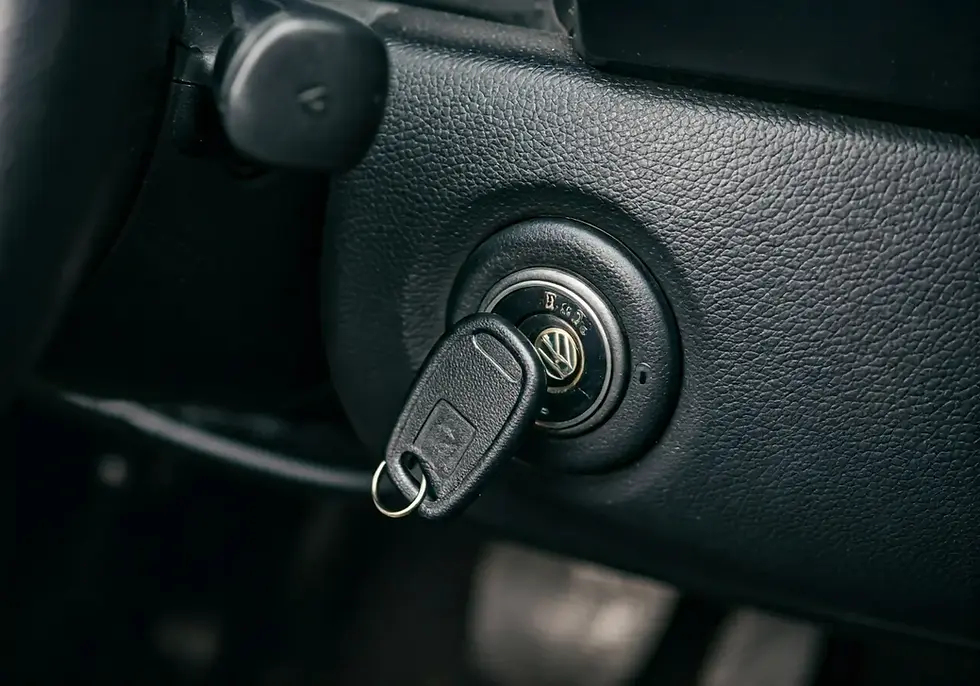
1. Check the Battery Connection
Start with the basics: make sure your battery connections are secure and free of corrosion. A loose or corroded connection can cause ignition issues. If the battery terminals are dirty, they can lead to poor contact and inadequate power supply to your VW. Clean the terminals using a mixture of baking soda and water. Ensure that each connection is tight and devoid of any white, powdery substances that often indicate corrosion.
A good practice is to inspect your battery cables for signs of wear or fraying. Even minor damage here can disrupt your car's electrical flow, leading to unexpected ignition problems. Inspect the connections periodically to prevent these issues. If you notice that your battery is frequently running out of charge, it might be time for an in-depth battery test.
2. Inspect the Ignition Switch
The ignition switch is more crucial than many realize. It sends power to your VW's electrical system, enabling the vehicle to start. One way to test the switch is by turning the key and observing any unusual sounds. If there's resistance or the engine doesn't crank smoothly, the switch might be worn out.
A common symptom of a failing ignition switch is unusual behavior when turning the key. If your dashboard lights flicker or fail to come on, it could indicate a malfunction. In such cases, consider checking for recalls or service bulletins related to your VW model. If issues persist, replacing the ignition switch might be necessary. Professional assistance can ensure this step is completed effectively.
3. Evaluate the Key
Sometimes, the key is the root of the ignition problem. Over time, keys can wear down, especially if they're frequently used or mishandled. If the key does not insert smoothly or it turns with difficulty, it could be a sign to inspect it for wear and tear. Always try any available spare keys first, as these can quickly ascertain whether the issue is key-related.
Modern vehicles, including many VWs, integrate electronic features in their keys, such as transponders. Thus, check if the key's battery is functioning appropriately. Weak signals can prevent your car from starting. You can follow these troubleshooting tips or replace your key if you suspect it no longer communicates effectively with your vehicle's ignition system.
4. Listen for Starter Motor Noise
When turning the ignition key, the starter motor should engage smoothly without any odd noises. A common indicator of starter motor trouble is a clicking sound, suggesting insufficient power or a failing starter motor component. Sometimes, you might hear a grinding noise - a clear sign of mechanical failure that necessitates immediate attention.
Your starter motor serves as the initiator for the engine's operations. If you're noticing regular ignition troubles alongside these suspect sounds, it might be time to investigate further. Schedule a mechanic check if the starter doesn't function after several attempts or if noises persist post-ignition. Approaching a specialist ensures you avoid deeper engine complications from a faulty starter motor.
5. Test the Ignition Coil
The ignition coil's duty is to generate the necessary spark to ignite your vehicle's engine. A misfiring engine or rough idling could be indicators of a failing coil. Utilizing a multimeter, a simple yet effective diagnostic tool, allows you to measure the coil's electrical resistance and confirm its operational status.
As part of maintaining engine performance, regularly inspecting the ignition coil is beneficial. Instructions for using a multimeter in testing your coil can be found in comprehensive automotive guides, which also provide insights on locating the coil in your VW. Routine checks can preemptively address developing ignition issues.
6. Look at the Distributor Cap
The distributor cap plays a pivotal role in distributing electricity from the ignition coil to the spark plugs. A close examination for any cracks or corrosion is crucial, as they can disrupt the electrical flow necessary for ignition. Moisture buildup inside the cap tends to cause electrical shorts that hinder the ignition process.
Cleaning the distributor cap thoroughly or replacing it can often resolve ignition mishaps linked to this component. Besides, periodic distributor cap check-ups as part of your vehicle maintenance regimen optimize the longevity of your VW’s ignition system. For step-by-step cleaning instructions, various automotive care sites offer reliable guidelines.
7. Check for Faulty Spark Plugs
Spark plugs are vital to your engine's ignition capability. Start by removing the old spark plugs and inspecting them carefully. Look for any signs of fouling – such as black soot or oil residue, which indicate that the plugs aren't firing correctly. Dirty or worn spark plugs can significantly degrade your VW's performance and responsiveness.
Replacing problematic spark plugs is a straightforward process many DIY enthusiasts can tackle. Ensuring they're torqued to the manufacturer's specifications is essential for your engine’s optimum performance. Many maintenance resources explain comprehensively how to replace and maintain spark plugs for better vehicle operation.
8. Examine the Fuel System
The fuel system is pivotal for providing your engine with the necessary fuel to function appropriately. Begin by assessing components like the fuel pump, filter, and lines for any obstructions or signs of wear. A blocked fuel filter, for instance, could starve the engine of fuel, leading to stalling or ignition failures.
Taking proactive measures to replace or clean fuel components ensures a seamless fuel flow within your VW's engine. Adhering to your vehicle’s maintenance schedule can help prevent inconveniences stemming from a compromised fuel system. Exploring fuel efficiency tips might also offer insights into keeping your VW running efficiently.
9. Assess the Alternator
Your alternator is indispensable for charging the battery and powering your car’s systems. Suppose you've overlooked this component during troubleshooting. In that case, it's worth re-evaluating, especially if you have noticed dimming headlights or frequent electrical failures, as these symptoms are often mistaken for ignition issues.
Testing the alternator's output voltage can confirm whether it's providing adequate power. This analysis could reveal underlying problems that exacerbate ignition troubles in your VW. Ensuring an operational alternator can eliminate unnecessary woes and sustain consistent vehicle operation as elucidated in automotive maintenance articles.
10. Investigate the Wiring
The intricate wiring network in your vehicle facilitates many critical operations, including ignition. Begin your inspection by checking for any signs of wear, such as fraying or exposed wires. Electrical problems, often elusive, can sporadically interrupt the ignition process, leaving your VW's performance compromised.
Repairing damaged wiring might involve reconnecting loose wires or replacing worn sections. Fortunately, many automotive handbooks offer comprehensive guidelines on diagnosing and addressing wiring problems, particularly those concerning ignitions. Consistent checks minimize the likelihood of unexpected electrical woes down the road.
11. Consider Anti-Theft Systems
Anti-theft systems secure your VW, but at times, they may inadvertently prevent the ignition from engaging. Understand how your system operates, as it could necessitate a reset if it malfunctions, rendering the vehicle immobile. Check the vehicle manual to familiarize yourself with bypass procedures for the anti-theft system.
If you encounter difficulties deactivating the system, following basic instructions or seeking assistance from your local dealership can resolve these issues promptly. As an added installation, these systems endorse vehicle security while amenably accommodating vehicle ignition maintenance with relevant guidelines.
12. Consult with a Professional
If you're still having issues, it might be time to seek professional help. They have the tools and expertise to diagnose more complex ignition problems. Remember, some ignition issues might go beyond simple troubleshooting techniques and require a more technical approach. Having an experienced auto technician examine your VW ensures effective solution and repair.
Many professionals employ advanced diagnostic tools to rapidly identify issues that elude traditional detection. Often, visiting a trusted specialist can save you time and resources by nipping potential problems in the bud. For comprehensive guidance and service options, feel free to explore more information on our homepage.


Comments