

Enhancing Security: How to Select the Right Office Door Lock
Finding the right office door lock is essential for ensuring the security of your workplace. With so many options available, it can be daunting to choose the best one. In this blog, we'll explore the key factors to consider when selecting the perfect lock for your office.

Understanding Different Types of Office Door Locks
When it comes to office door locks, there are several types to choose from, each with its own strengths and weaknesses. Traditional locks, smart locks, and keyless entry systems all offer different levels of security and convenience. Understanding the differences between these types can help you make an informed decision.
Traditional locks have been the backbone of locking mechanisms for centuries. They are often seen as reliable due to their mechanical nature which is less susceptible to technical failures. However, advancements in technology have paved the way for smart locks, which offer features such as remote access and real-time monitoring, making them an attractive option for modern offices. Keyless entry systems further enhance convenience by eliminating the need for physical keys, thus reducing the risk of key loss and unauthorized duplication.
For businesses considering an upgrade, it’s important to weigh the advantages of these newer technologies against the traditional yet robust systems. Cost, ease of use, and the specific security risks your business faces should all factor into this decision.
Assessing Your Office Security Needs
Before selecting a lock, it's important to assess your specific security needs. Consider the level of security required, the nature of your business, and the layout of your office space. This assessment will guide you in choosing a lock that offers optimal protection without compromising on convenience.
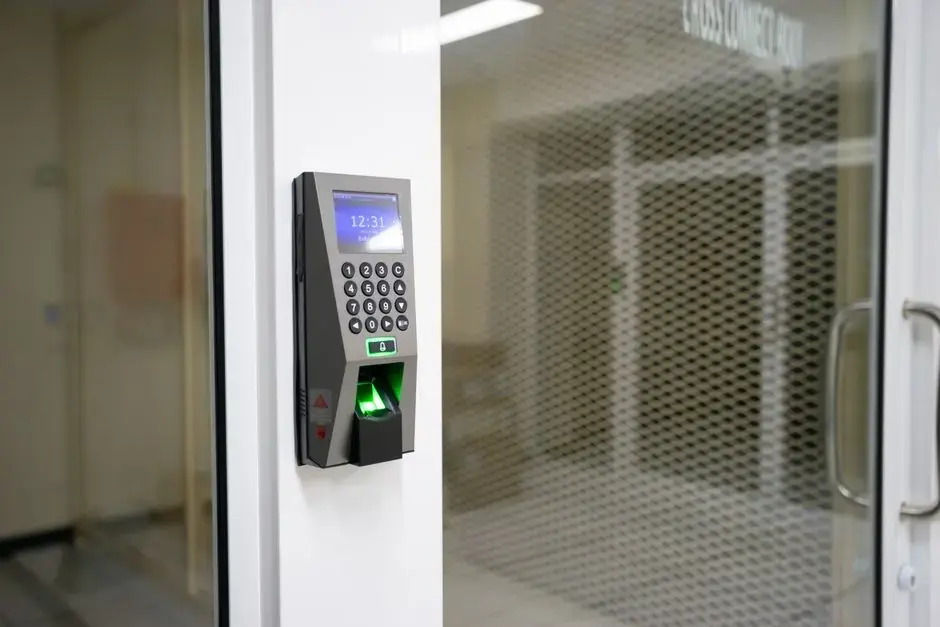
For instance, an office located in a high-risk area may require more advanced security solutions, such as biometric access systems, which use fingerprints or facial recognition to grant access. In contrast, smaller offices or those in low-risk environments might find traditional locks sufficient. It’s also crucial to consider who needs access and when. If employees frequently come and go at odd hours, a lock system that allows for easy access control adjustments is ideal.
Additionally, the layout of your office can affect security needs. Open plans might require different locking solutions compared to closed offices, where individual doors might benefit from unique combination locks for added security in sensitive areas.
Evaluating Lock Features and Technologies
Modern office door locks come with a variety of features such as biometric access, remote control, and integration with security systems. Evaluating these features will help you determine which lock meets your requirements and enhances overall security.
Biometric locks, for example, provide a high level of security by relying on unique individual characteristics. This reduces the risk of unauthorized access significantly. Meanwhile, smart locks often feature remote monitoring capabilities, allowing business owners to manage access permissions from anywhere.
Integrating locks with existing security systems, such as alarms or surveillance cameras, can exponentially boost security measures by providing a comprehensive safety net. Such systems can alert the owner or security personnel in case of any unauthorized attempt to access the premises, ensuring a quick response.
Considering Installation and Maintenance
The installation and maintenance of office door locks play a crucial role in their effectiveness. A professional installation ensures the lock functions correctly, while regular maintenance keeps it in good working condition. Considering these factors will help maintain security over time.
Professional installation of advanced locks, such as electronic or smart locks, is crucial because they often require precise alignment and setting up technical parameters. Improper installation could render sophisticated features nonfunctional or, worse, compromise the lock’s integrity.
Regular maintenance involves periodic checks and updates, especially with electronic locks, to ensure they are functioning as expected. Parts like batteries in smart locks should be replaced timely to prevent lockouts. Besides, a routine check for mechanical wear and tear in traditional locks can prevent sudden failures that might compromise security at crucial times.
Securing Your Workplace: Final Thoughts
Choosing the right office door lock is crucial for maintaining the security of your workplace. By considering your specific needs, understanding lock types, and following best practices for installation and maintenance, you can enhance the safety of your office environment. Remember, a secure workplace is not just about the lock itself, but also how it is used and maintained. Visit Bullstar Locksmith to see how we can help secure your office.


Comments